


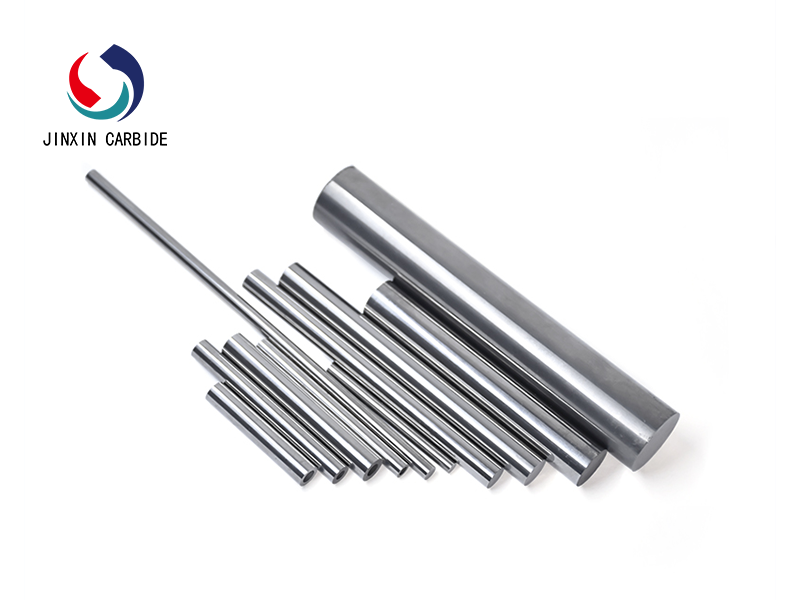
Cemented Carbide Pin for Horseshoe pin
Share with
Product Description
Cemented Carbide Pin for Horseshoe pin
Key Details & Types
- Material & Properties: Hardness ~90 HRA, density ~14.5 g/cm³, extremely low wear rate, domed/pointed top. No rust; works in wet/icy conditions.
- Form Factors:
- Standalone drive-in pins: For direct shoe mounting (toe/heel positions).
- Nail-head inserts (“road nails”): Tiny pins pressed into the head of standard horseshoe nails, protruding ~1 mm to prevent slipping on asphalt without full studs.
- Stud-assist pins: Used with steel stud bodies for extra grip in competition/eventing.
- Installation: Drilled with a matching tapered bit (e.g., #15 / 11/64" for common sizes), seated flush or slightly proud; installed symmetrically (front/back pairs) to avoid hoof imbalance.
- Applications: Road riding, competition horses (show jumping, eventing), winter/icy terrain, heavy workload horses (draft, police) to reduce slips and shoe replacement frequency.

Advantages & Considerations
- Pros: Unmatched wear resistance, consistent traction, fewer farrier visits, no corrosion.
- Cons: Higher upfront cost than steel; improper installation can crack the shoe or cause pin loosening.
- Maintenance: Check for tightness every 4–6 weeks; replace only when the pin top is worn flat.
Category:
Cemented Carbide Pin
Key word:
Horseshoe pin
horseshoe studs
Tungsten carbide pin
Carbide pin
carbide rod pin
Product consultation
Attention: Please leave your contact information, and our professionals will reach out to you as soon as possible!
Recommended products


Contact us
Phone:+86 133-9733-9096
Mailbox:13397339096@ojinxin.com
WhatsApp:+86 133-9733-9096
Address: Jiade Industrial Park, Zhuzhou City, Hunan Province, China
The inventory of anti-slip nails is in stock, along with the efficient development of diverse products and superior quality.
Navigation
Request a quote
Copyright © Zhuzhou Jinxin Cemented Carbide Group Co., Ltd
This site supports IPv4 and IPv6.
Powered bywww.300.cn Changsha

